Healthy Relationships — IPVOT

For Clients

Healthy Relationships

How do I know if I am in a healthy relationship? Learn the qualities of trust, respect, and safety — and how to recognize warning signs.

The relationship thermometer

Where does your relationship sit on the scale — from safe and balanced to harmful?

Healthy

Safe & balanced

  • Communicates openly and effectively
  • Treats each other with respect
  • Trusts and is trustworthy
  • Is honest with one another
  • Shares decisions as equal partners
  • Enjoys time apart and personal interests
  • Shares financial responsibility fairly
Unhealthy

Warning signs

  • Communicates poorly or avoids hard conversations
  • Dismisses or mocks each other's thoughts and needs
  • Struggles to trust each other
  • Is often dishonest
  • Controls access to friends, money, or choices
  • Spends time only with each other

Abusive

Seek support

  • Uses hurtful, threatening, or intimidating language
  • Causes physical pain or injury
  • Makes a partner feel worthless, isolated, or afraid
  • Threatens harm to a partner, others, or themselves
  • Removes a partner's freedom to make choices
  • Cuts a partner off from friends and family

Tips for healthy relationships

They start with consent

Consent is clear, voluntary, and enthusiastic agreement to participate in intimate or sexual activities — including touching, hugging, kissing, and sexual intercourse. Boundaries are established and respected so each partner feels safe.

Quality time together & independence

Partners enjoy time with one another and find engaging shared activities, while also honoring and respecting each other's identity, friendships, and hobbies.

Positive, healthy communication

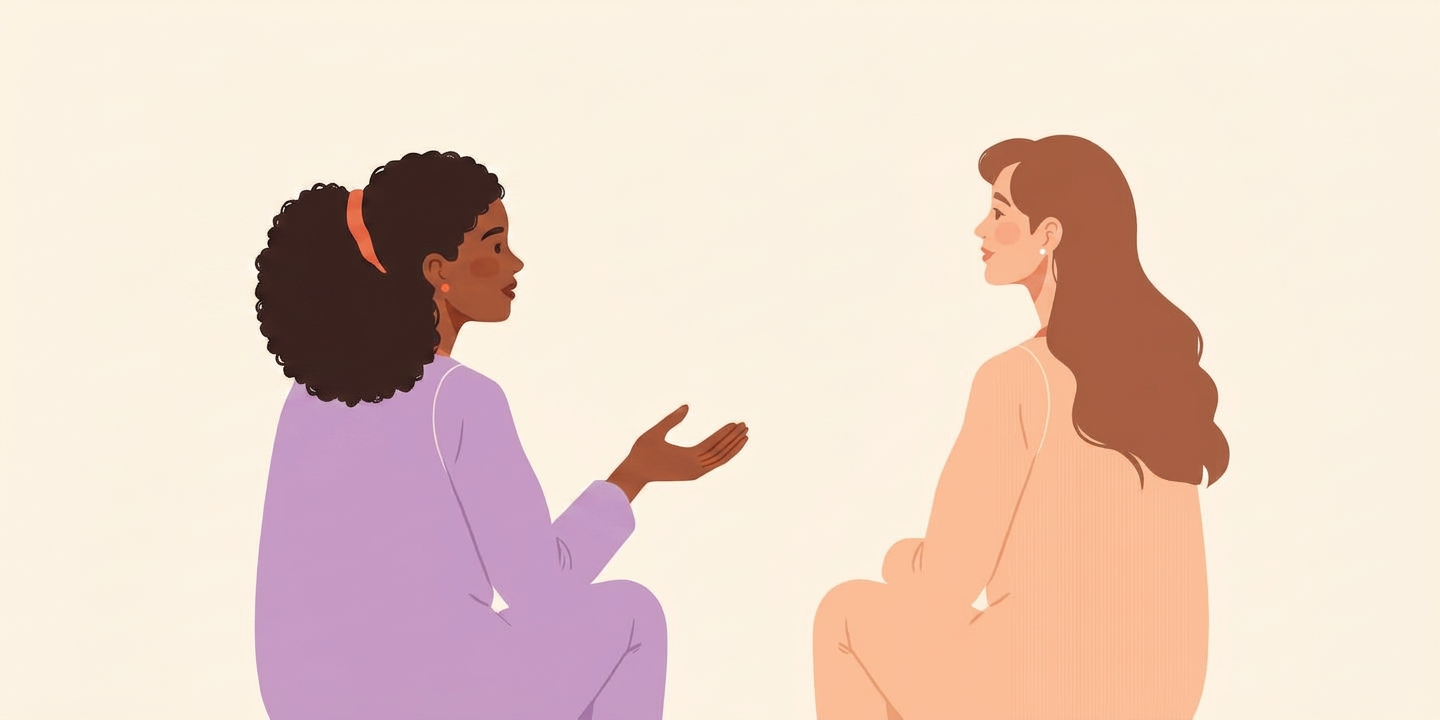
Healthy communication involves sharing and listening without interruption, defensiveness, or blame. It is honest, open, empathetic, and understanding.

Tips for healthy communication

Healthy relationships are built on trust, respect, and safety.
  • Use "I" statements to share emotions and needs (e.g., "I feel frustrated when interrupted because it makes it seem like my perspective doesn't matter").
  • Use active listening skills — be fully present, paraphrase what you heard, and ask clarifying questions.
  • Engage in constructive problem solving: one problem at a time, work together respectfully, be willing to compromise.
  • Try to understand your partner's emotions and perspectives even if you don't agree with them.
  • Use positive nonverbal behaviors — eye contact, open body language, and understanding facial expressions.

Relationships are more likely to thrive when individuals seek support and treatment for mental health.

You are not alone

If you are in an abusive relationship or need help leaving your relationship, contact the National Domestic Violence Hotline.

If you or someone you know is in immediate danger, call 911.

Back to For Clients