Opioid Overdose & Naloxone — IPVOT

For Clients

Opioid Overdose & Naloxone

Recognizing the signs of an opioid overdose can save a life.

What is an opioid?

Opioids include both prescription pain medications — such as oxycodone (OxyContin), hydrocodone (Vicodin), morphine, codeine, and fentanyl — and drugs like heroin. These substances are often used for pain relief, but taking more than the body can tolerate can lead to unconsciousness, respiratory failure, and death.
What is an opioid overdose?

Opioid overdoses happen when someone takes a larger amount of an opioid than their body can handle. An opioid overdose can lead to death.

Signs of an overdose

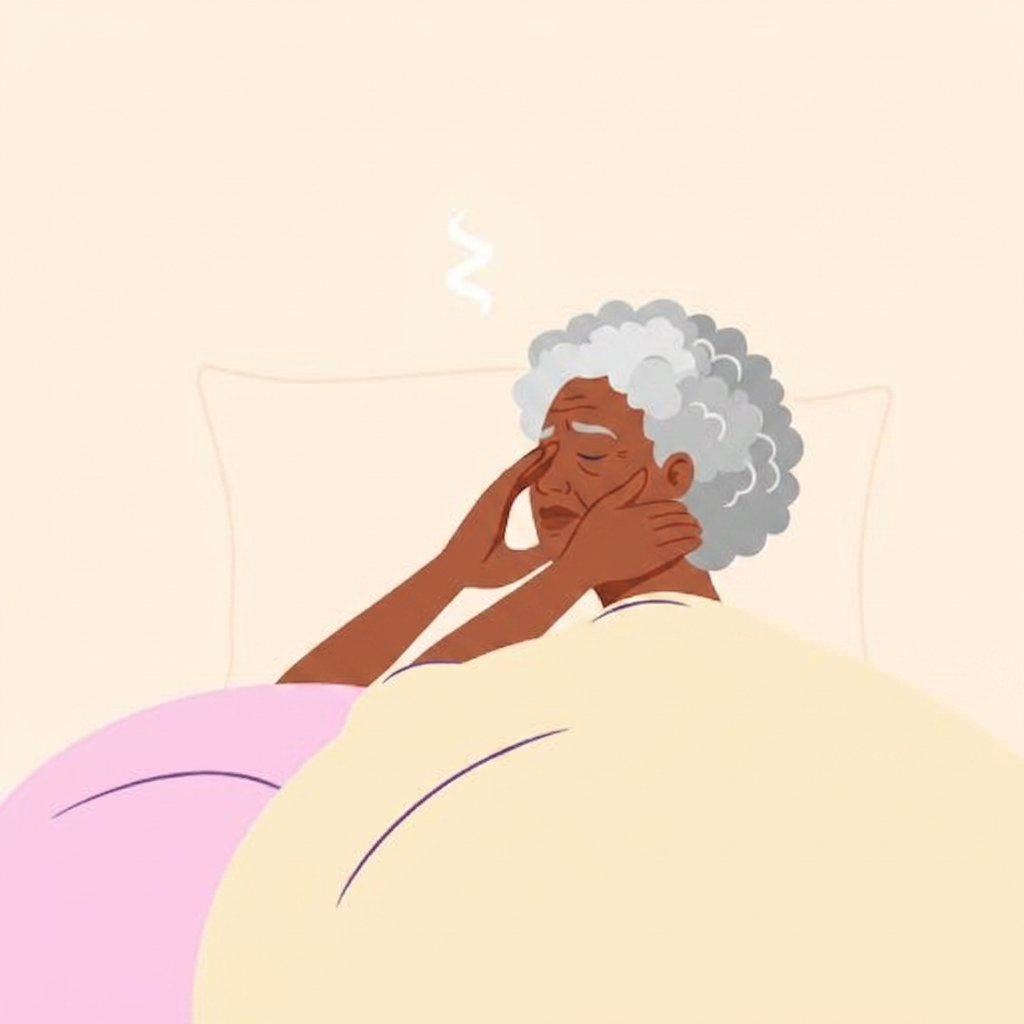
  • Unconsciousness
  • Slow, weak, or no breathing
  • Choking or gurgling sounds
  • Small, constricted “pinpoint” pupils
  • Cold and/or clammy skin
  • Limp body
  • Discolored skin (lips and nails)

What is naloxone?

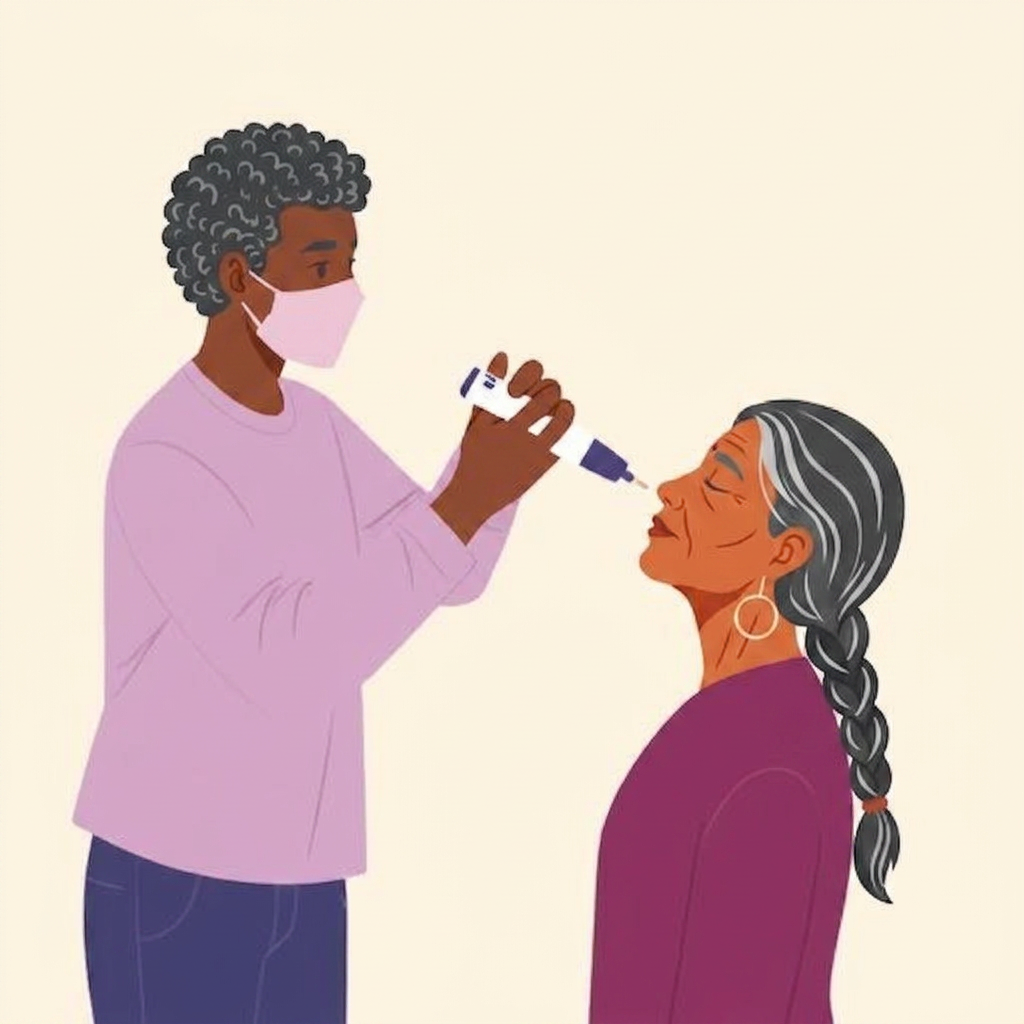
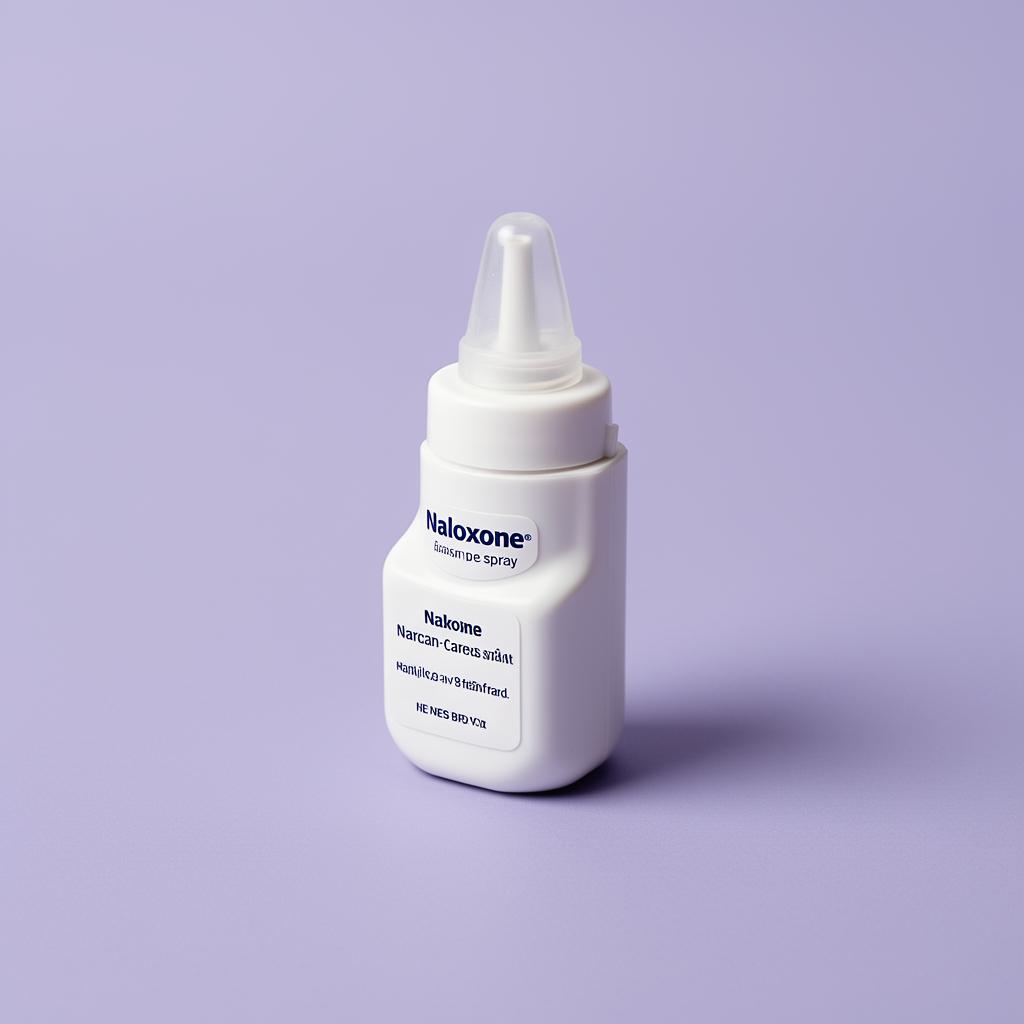
Naloxone (brand name “Narcan”) is a safe, easy-to-use medication that can rapidly reverse the effects of an opioid overdose. It works by blocking opioid effects and can restore normal breathing within minutes.

Naloxone (Narcan) nasal spray device

In most states, including South Carolina, naloxone is available at your local pharmacy without a prescription.

How to use naloxone

Naloxone is available as a nasal spray or an injection into a muscle. To administer the nasal spray, place the tip of the nozzle in one nostril and press the plunger firmly to release the dose. If, after 2 minutes, the person has not responded, use a second dose in their other nostril.

In South Carolina, Good Samaritan laws protect the individual experiencing the overdose and those providing assistance from arrest or legal charges.

What to do if you think someone is overdosing

  1. 1

    Call 911 immediately

    Call 911 immediately
  2. 2

    Administer naloxone

    Administer naloxone
  3. 3

    Attempt to keep the person awake and breathing

    Attempt to keep the person awake and breathing
  4. 4

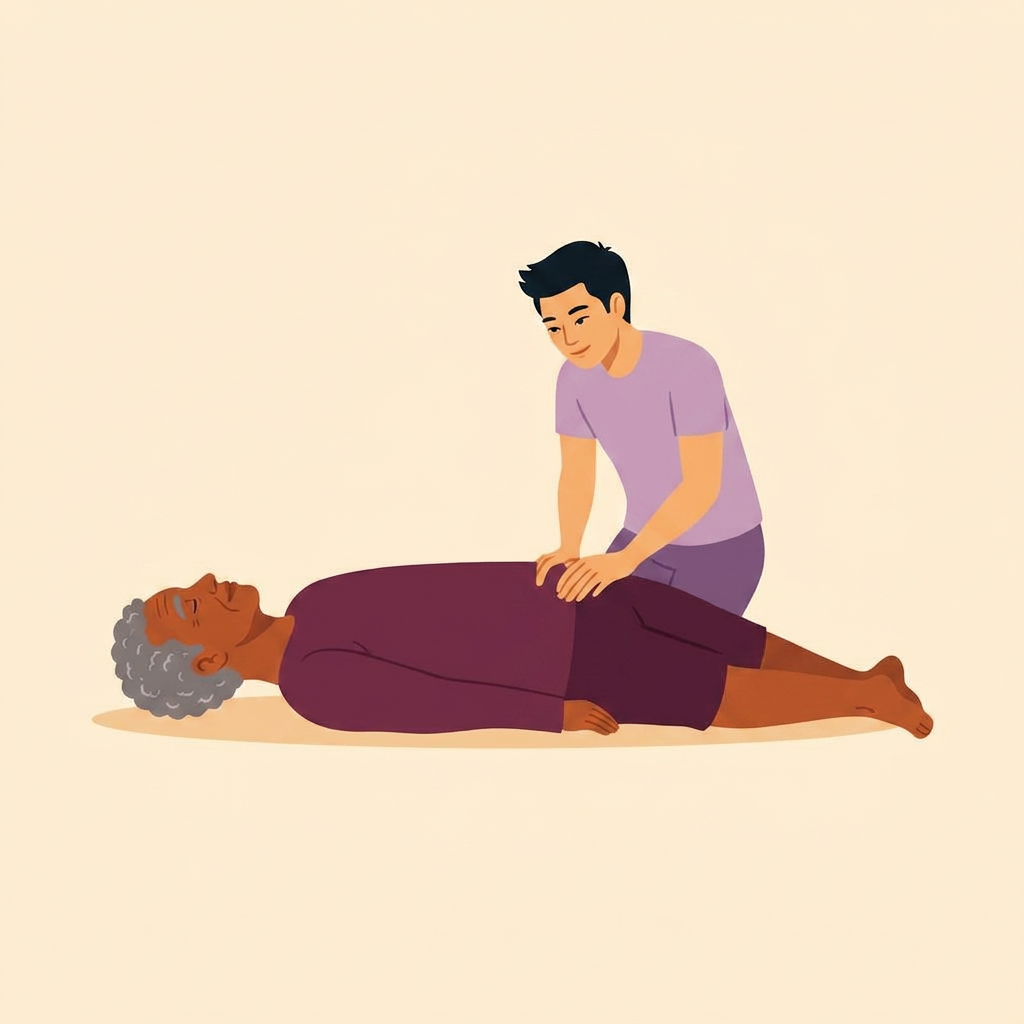
    Lay the person on their side to avoid choking

    Lay the person on their side to avoid choking
  5. 5

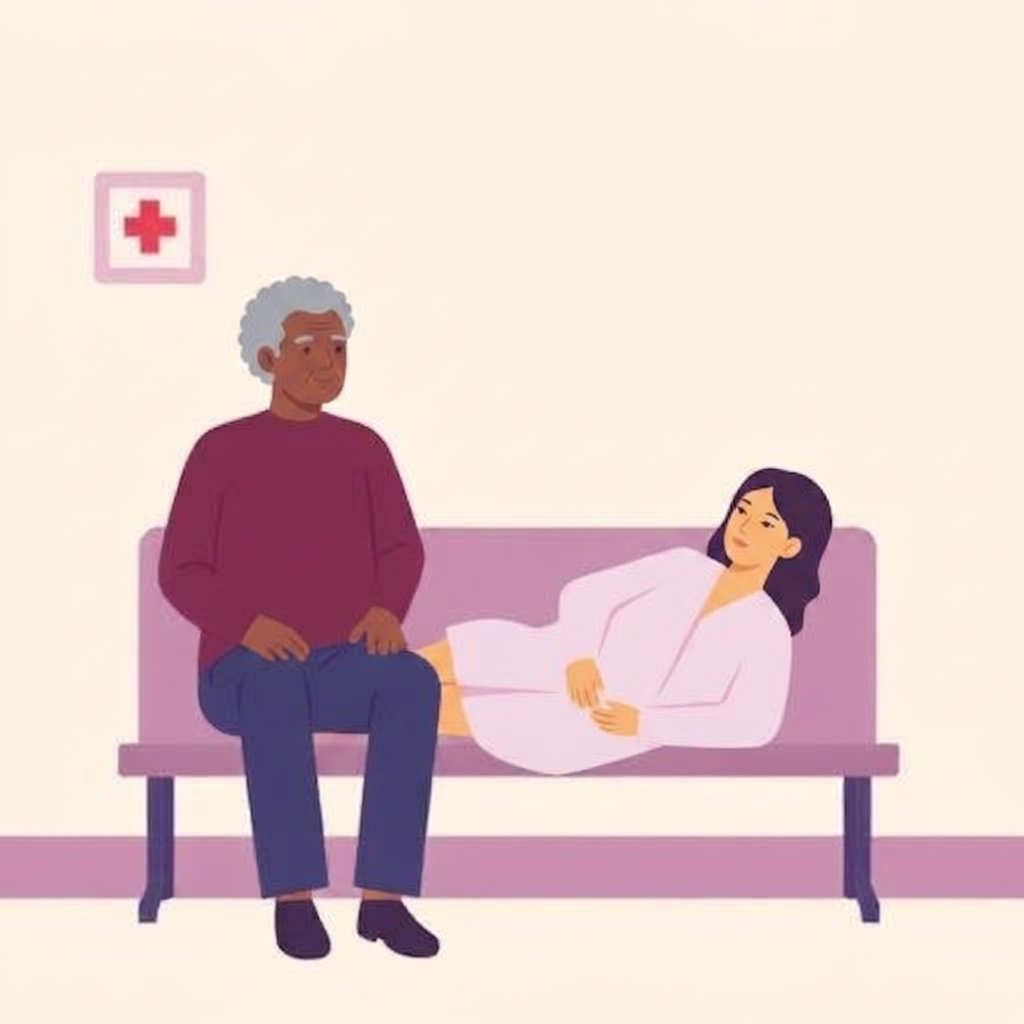
    Stay with them until emergency responders arrive

    Stay with them until emergency responders arrive

If you or someone you know is in immediate danger, call 911.

Back to For Clients